
How Vietnam’s Furniture Export Showrooms Elevate Presentation for Global Buyers
Market Insight: Vietnam as a Global Furniture Export Hub
Over the past decade, Vietnam has become one of the world’s most important furniture manufacturing and export centers.
From Ho Chi Minh City to Binh Duong and Hanoi, thousands of factories and export-oriented brands now welcome buyers from North America, Europe, and Australia every year.
In this environment, the showroom is no longer a secondary space.
It is often the first physical impression an overseas buyer has of a supplier’s design capability, quality standards, and professionalism.
The Gap Between Product Quality and Visual Presentation
Many Vietnamese furniture manufacturers produce high-quality products that meet international standards.
However, showroom presentation does not always reflect that strength.
A common challenge appears during buyer visits:
-
Furniture is well-made, but the styling feels incomplete
-
Display spaces lack lifestyle context
-
Real electronic devices create visual clutter or inconsistency
-
Screens are off, cables are visible, or devices feel out of scale
For international buyers, especially those focused on branding and retail readiness, presentation matters as much as production.
Why Simulated Electronics Improve Buyer Perception
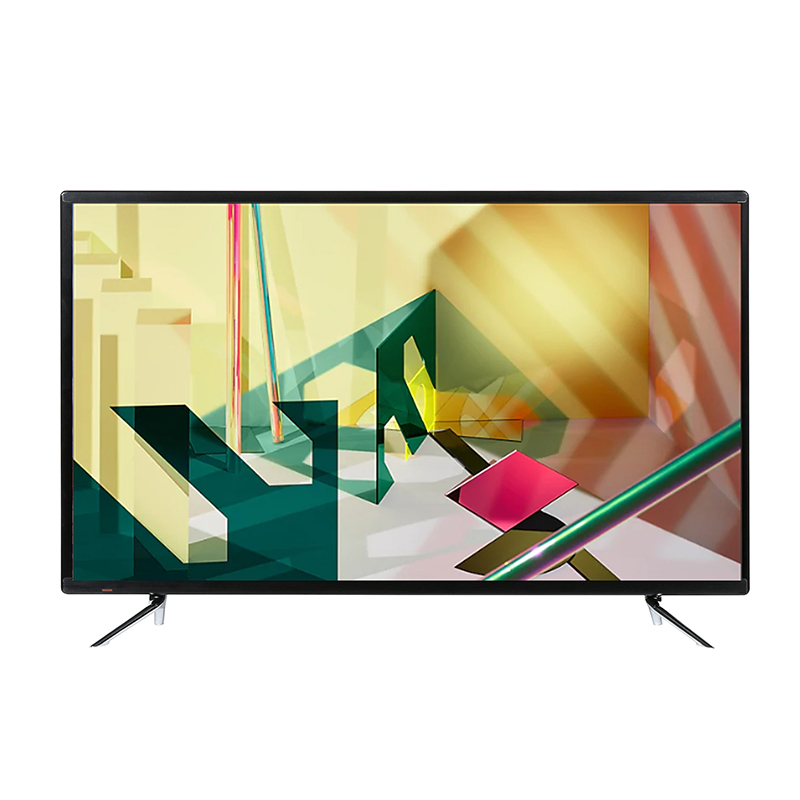
To address this gap, more export-focused showrooms in Vietnam are adopting simulated electronic display devices — non-functional TVs, laptops, tablets, and phones used purely for visual presentation.
These props help transform a factory showroom into a space that feels:
-
International
-
Retail-ready
-
Aligned with overseas market expectations
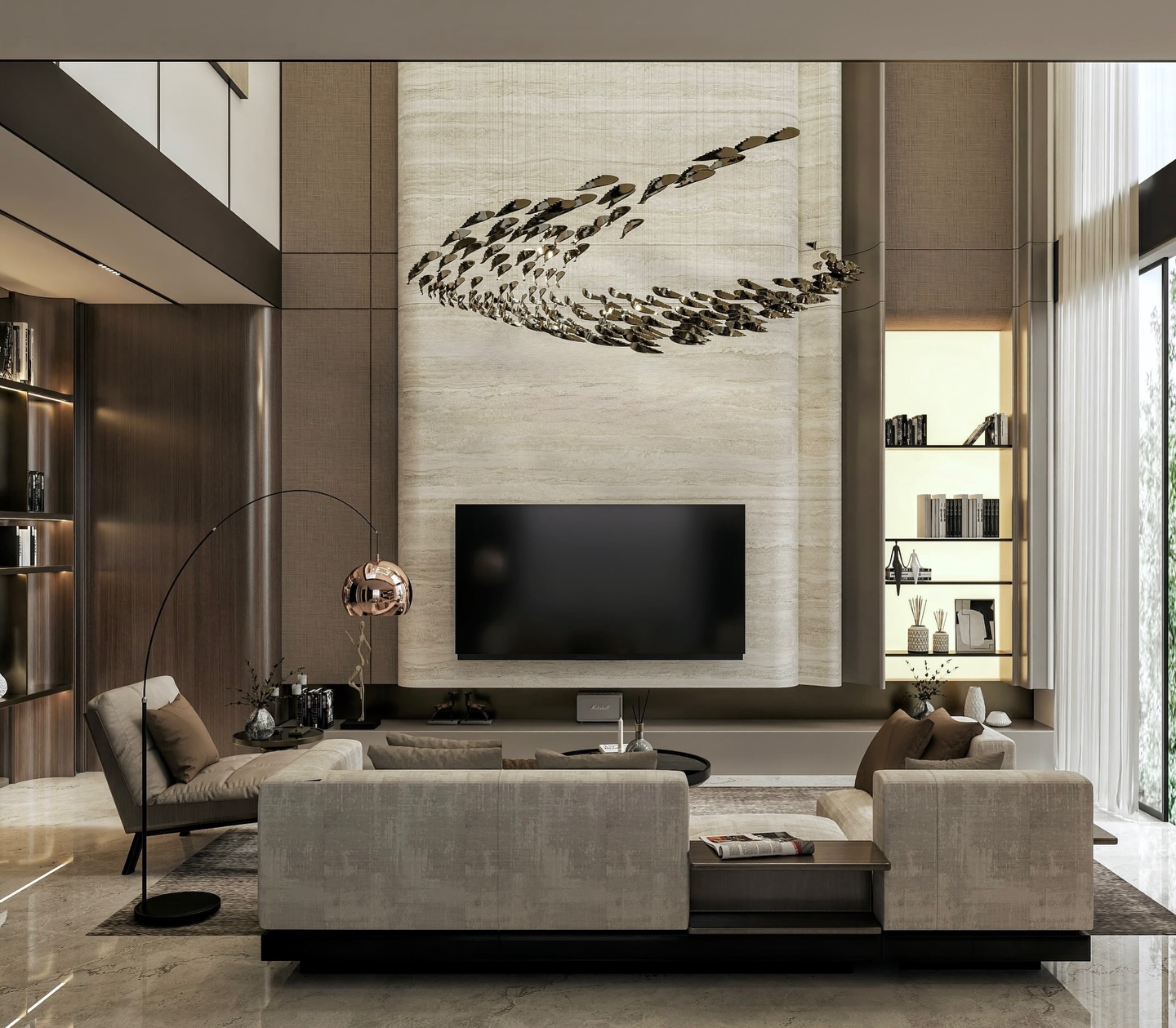
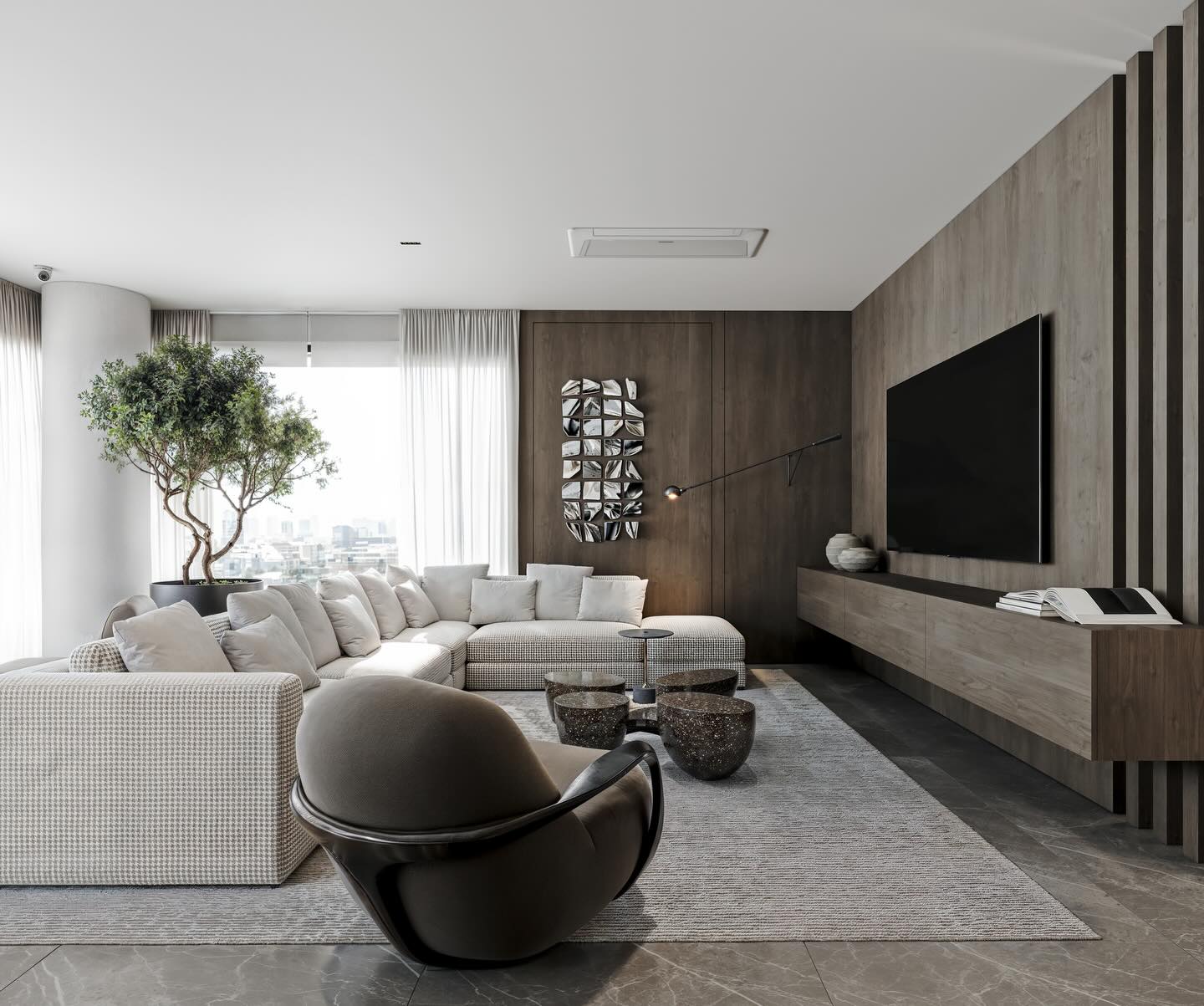
Instead of showcasing technology itself, simulated electronics support the furniture by creating a complete lifestyle scene.
A Typical Export Showroom Scenario
Imagine a buyer visiting a furniture showroom in southern Vietnam:
A living room set is staged with a wall-mounted screen above a media unit.
A home office corner features a slim laptop placed neatly on a desk.
A dining area flows naturally into a styled living space without visible cables or power constraints.
Nothing needs to turn on.
What matters is that the buyer can immediately imagine how the furniture would appear in a finished retail showroom or model home abroad.
Simulated electronics help remove distractions and focus attention where it belongs — on the furniture itself.
What Global Buyers Look for in Vietnamese Showrooms
International buyers visiting Vietnam often evaluate more than just price and craftsmanship. They also look for:
-
Export-ready styling and presentation
-
Understanding of overseas retail environments
-
Attention to proportion, scale, and context
-
Spaces that photograph well for catalogs and online listings
A well-styled showroom signals that a supplier understands the full journey of the product — from factory floor to final display.
A Subtle Upgrade with a Strong Signal
In Vietnam’s competitive export market, small presentation details can send powerful messages.
Simulated electronics do not change the furniture,
but they change how the furniture is perceived.
For manufacturers aiming to strengthen relationships with global buyers, improving showroom presentation is not about decoration —
It is about communicating readiness, professionalism, and international alignment.
 Fake TV for Staging: 42 vs 50 vs 55 vs 60 vs 70 (Which Size Looks Right?)
 Why UK Showroom Projects Often Fail at the Packaging Stage
 Why Display Consistency Breaks First in Multi-Store US Showroom
 The Power of Silence in Design | Why Display-Only Screens Define Professional Staging